The firm
MTIS has answered industrial materials questions since 2009. The idea was simple: industry has materials questions constantly — failures, corrosion, selection, verification — and most organisations have no metallurgist to answer them. MTIS exists to be that answer: consultancy-grade materials engineering, delivered by the senior engineers themselves.
Today the work spans failure investigation, corrosion and integrity, materials selection, characterisation and testing coordination, manufacturing and repair support, and training — always specialist-led, always evidence-first.
The people
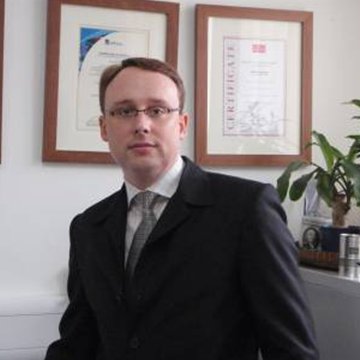
Dr Andrew Spowage — Materials Performance Specialist
CEng, CSci, FIMMM, FIMM, CSSBB. Andrew holds a BSc in Materials Chemistry and a PhD in Materials Engineering from the University of Nottingham, and specialises in materials characterisation, forensics and testing. His career spans over 100 industrial projects — failure investigation and characterisation across oil and gas, process and manufacturing — alongside a senior academic career as Associate Professor and Head of Department at the University of Nottingham (Malaysia) and Visiting Professor at the University of Surrey, with earlier research roles in UK aerospace and defence. He leads MTIS investigations from evidence intake to final report.
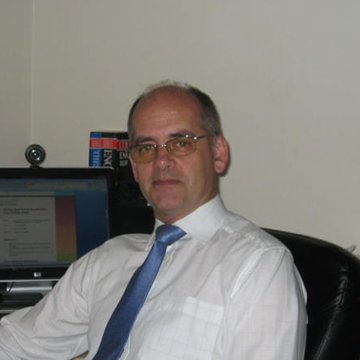
Eur.Ing. Nigel Brewitt — Metallurgical Failure Specialist
CEng (Reg. 530492), Eur.Ing (Reg. 27752), FIMMM, FIMM. Nigel holds an MSc in Advanced Physical Metallurgy from the University of Sheffield and a postgraduate diploma in Corrosion Science and Technology from the University of Derby. He specialises in failure investigation, welding engineering, corrosion and materials characterisation, with a career that includes Failure Investigation Assistant and Project Leader roles at Rolls-Royce Aerospace, Laboratory Supervisor and Failure Investigation Assistant at Rolls-Royce Marine, and consultant metallurgist work at Intertek.
MTIS on LinkedIn: company page · Andrew Spowage · Nigel Brewitt.
Our delivery model
MTIS maintains limited in-house practical capability for inspection, sample preparation, secure storage and selected materials-processing/support tasks, and works with a network of specialist laboratory partners to access the most appropriate test methods for each investigation.
We treat this as a strength, deliberately chosen. Owning a laboratory means every problem tends to be answered with the tests that laboratory can run. Coordinating across specialist partners means each investigation gets the method that best answers its question — while MTIS keeps the parts that matter most in expert hands: defining what to test, why, and what the results mean. The model in detail →
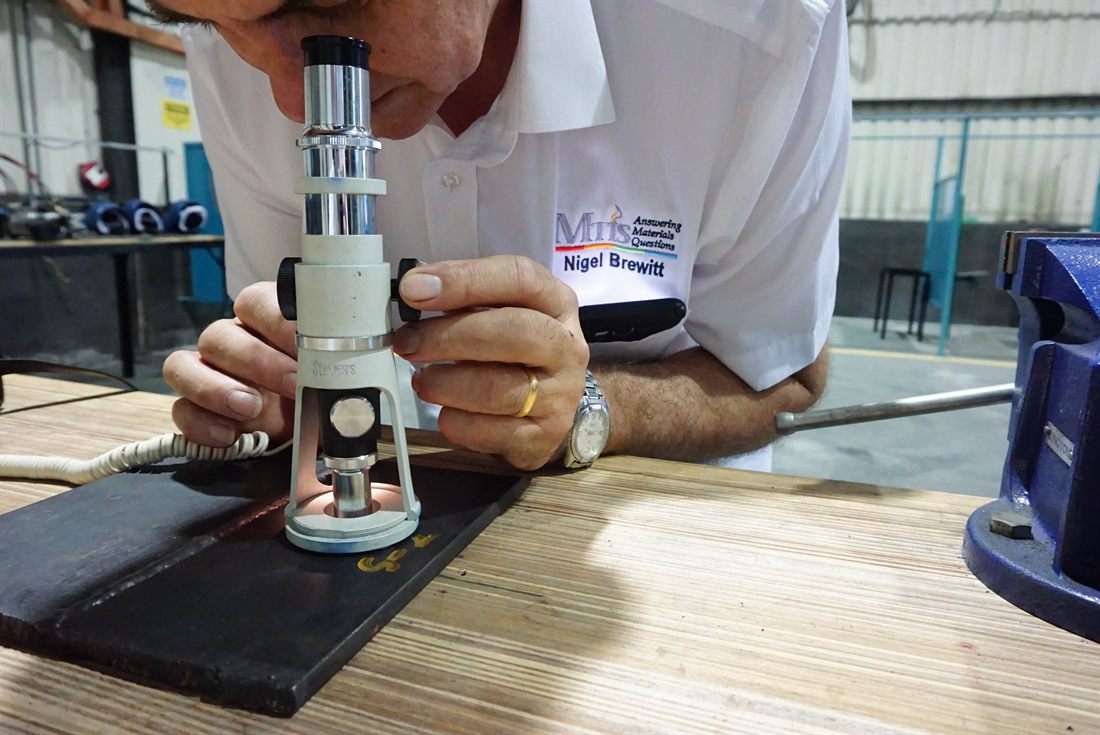
In-house, that practical capability includes inspection and examination equipment, sample preparation, microscopy, secure storage, workshop access and limited materials-processing equipment including 3D-printing, laser and cutting tools for support tasks.
How we work
- Evidence first. Conclusions follow from documented evidence; competing explanations are tested and eliminated, not assumed away.
- Honest uncertainty. We distinguish confirmed mechanisms from most-likely mechanisms, and say plainly what would firm the answer.
- Confidential by practice. Client components and information are received with documented handling, stored securely, and not disclosed.
- Practical output. Every finding connects to actions — material, design, operating or maintenance changes you can implement.
- Specialist-led. The engineer you brief is the engineer who investigates and the engineer who signs the report.